
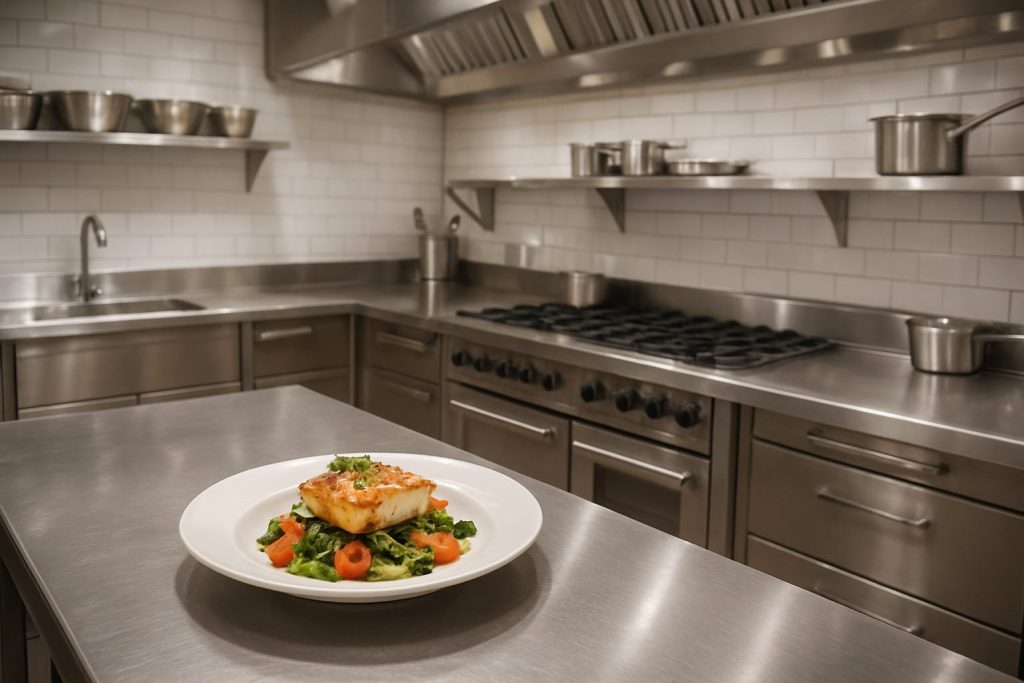
Running a restaurant in Florida means operating in one of the most competitive and heavily regulated food service markets in the United States. Health standards are rigorous. Guest expectations are high. And the climate itself creates conditions where hygiene challenges emerge faster than in most other parts of the country. Understanding how restaurant deep cleaning Florida services protect your business — and what a professional program actually involves — is essential knowledge for any restaurant owner or operator in the state.
What’s Covered
- The Problem with Cleaning Only What You Can See
- What Florida Health Inspectors Actually Look For
- A Room-by-Room Breakdown of Professional Deep Cleaning Services
- The Commercial Kitchen
- Refrigeration and Cold Storage Units
- Warewashing and Dishwashing Areas
- Floors, Walls, and Drains
- Dining Room and Guest-Facing Areas
- Scheduling Deep Cleaning Around Florida’s Tourism Cycles
- How Deep Cleaning Supports Your Team’s Performance
- Selecting the Right Deep Cleaning Partner in Florida
- The Connection Between Cleanliness and Long-Term Business Success
This guide walks through the full picture: why deep cleaning matters beyond compliance, what professional services cover, how to build a sustainable cleaning schedule, and how hygiene connects directly to your restaurant’s long-term success.
The Problem with Cleaning Only What You Can See
Standard daily cleaning routines are necessary, but they address surfaces. Deep cleaning addresses systems. The distinction matters enormously in a commercial kitchen environment where grease migrates into exhaust ducts, bacteria establish colonies in floor drain biofilm, and mold finds purchase in walk-in cooler gaskets and tile grout.
Florida’s subtropical climate compounds these risks. High ambient humidity, warm temperatures year-round, and the frequent movement of outdoor air into indoor spaces create conditions that accelerate microbial and mold growth. What might take weeks to develop in a northern state can take days in a Florida kitchen. Organic residue left in overlooked areas does not simply sit — it becomes a breeding ground.
Professional deep cleaning interrupts this cycle. Trained crews work through the entire facility systematically, using commercial-grade tools and food-safe chemical agents designed to penetrate, dissolve, and eliminate the buildup that routine cleaning cannot address.
What Florida Health Inspectors Actually Look For
Florida’s Division of Hotels and Restaurants operates one of the most active food service inspection programs in the country. Inspections are unannounced, and the results are publicly accessible through the state’s online database — which means a poor inspection outcome can influence a prospective guest’s decision before they ever step through your door.
Inspectors pay particular attention to the cleanliness of equipment surfaces, the condition of refrigeration units, the state of hood systems and exhaust filters, and the presence of any signs of pest activity or mold growth. These are precisely the areas that professional deep cleaning targets.
Restaurants with documented, consistent deep cleaning schedules are demonstrably better prepared for these inspections. When inspectors observe clean hood vents, properly maintained refrigeration seals, and hygienic floor drains, it reflects a culture of operational discipline that extends to food handling practices as well.
A Room-by-Room Breakdown of Professional Deep Cleaning Services
Understanding what a complete restaurant deep cleaning encompasses helps owners evaluate service providers and set appropriate expectations for what the process involves.
The Commercial Kitchen
Everything in the kitchen is treated as a potential hygiene risk if not properly maintained. Professional cleaners disassemble cooking equipment — ranges, fryers, flat-tops, and ovens — to clean internal components, burner areas, and the spaces beneath and behind each unit. Accumulated carbon deposits and grease are removed using appropriate degreasers. Prep tables, cutting surfaces, and smallwares storage areas are sanitized thoroughly.
Hood systems demand specialized expertise. Grease-laden air passes through the hood canopy, filters, plenum, and connected ductwork with every service period. Over time, this creates a significant fire risk and an environment where airborne bacteria can thrive. Certified technicians clean the full hood system — not just the visible canopy — and restore filters to proper working condition.
Refrigeration and Cold Storage Units
Walk-in coolers and freezers require a systematic approach. All contents are temporarily relocated. Interior walls, shelving, and floor surfaces are cleaned and sanitized. Door gaskets — among the most frequently overlooked components in any walk-in unit — are inspected, cleaned, and treated for mold. Drain lines and drain pans are cleared and flushed. Coil surfaces are cleaned to maintain proper thermal efficiency.
Standard under-counter refrigerators and prep units in the cooking line receive similar treatment, with particular attention paid to internal surfaces, shelving, and door seals.
Warewashing and Dishwashing Areas
Commercial dishwashing machines accumulate mineral scale, food particle residue, and soap buildup that degrades both sanitation performance and equipment longevity. Deep cleaning involves descaling the machine interior, cleaning spray arms and filter baskets, and sanitizing the surrounding area including the adjacent sinks, drain boards, and storage shelving.
Floors, Walls, and Drains
Kitchen floors are degreased thoroughly, with grout lines receiving focused scrubbing to remove embedded residue. Floor drains — a primary breeding site for bacteria and drain flies — are cleared of debris, cleaned internally, and treated with appropriate sanitizing agents. Wall tile behind cooking stations and preparation areas is cleaned from floor to ceiling, addressing grease splatter that accumulates invisibly over time.
Dining Room and Guest-Facing Areas
Front-of-house deep cleaning addresses the areas that directly shape guest perception. Light fixtures, ceiling fans, and ventilation grilles are dusted and cleaned. Booth seating and upholstered chair surfaces are sanitized. Table bases, chair legs, and high-touch surfaces including host stands and bar tops are cleaned and treated. Window sills, baseboards, and decorative elements throughout the dining room receive attention that routine cleaning rarely reaches.
Restrooms are cleaned comprehensively: grout and tile behind fixtures, beneath vanity units, floor surfaces around the base of toilets and urinals, and all dispensers and hardware are disinfected thoroughly.
Scheduling Deep Cleaning Around Florida’s Tourism Cycles
Florida’s restaurant industry experiences demand patterns that differ significantly from most states. Tourist season in coastal markets, theme park corridors, and major metro areas drives extended operating hours and dramatically increased guest volumes. This elevated activity accelerates the buildup of grease, debris, and biological contamination in every area of the restaurant.
Smart operators schedule deep cleaning services strategically — increasing frequency during or immediately before peak tourist periods, and using slower seasons to address more intensive projects like full hood system cleanings or walk-in cooler overhauls. Planning ahead ensures that cleaning services do not disrupt peak revenue periods while keeping the restaurant consistently compliant and guest-ready.
How Deep Cleaning Supports Your Team’s Performance
A clean kitchen is a functional kitchen. When equipment is properly degreased and maintained, it operates more efficiently. When floors and drains are clear, staff move through the space more safely. When refrigeration units are running cleanly, food storage is more reliable.
Beyond the physical benefits, working in a well-maintained environment affects staff morale and professional pride. Kitchen teams that operate in a clean, organized space tend to maintain higher standards in their own daily practices. Cleanliness becomes self-reinforcing when it is established as a baseline expectation rather than an occasional event.
Restaurant managers who invest in professional deep cleaning are also investing in their teams — reducing the cognitive load of managing hygiene issues and allowing staff to focus on food quality and guest service.
Selecting the Right Deep Cleaning Partner in Florida
The commercial cleaning industry includes a wide range of providers, and not all of them specialize in the specific requirements of food service environments. When selecting a deep cleaning partner for your Florida restaurant, prioritize companies with documented experience in commercial kitchens, verifiable certifications relevant to food service sanitation, and comprehensive insurance coverage.
Request references from similar establishments and ask providers to walk through their methodology before committing to service. A thorough provider will conduct a pre-service assessment, outline a detailed scope of work, use products appropriate for food contact surfaces, and provide service documentation after each visit.
Ongoing relationships with a consistent provider tend to yield better results than using different companies for each cleaning. A provider familiar with your facility’s layout and specific challenges can work more efficiently and identify developing issues before they become significant problems.
The Connection Between Cleanliness and Long-Term Business Success
Restaurant reputations are built slowly and damaged quickly. A single health inspection violation posted publicly, a social media photo of an unclean restroom, or a guest complaint about an unpleasant odor in the dining room can undo months of positive guest experience. The cost of consistent professional deep cleaning is modest compared to the cost of recovering from a preventable hygiene incident.
Florida’s most enduring restaurants treat cleanliness as a non-negotiable operational standard — not a periodic luxury. Building a reliable professional deep cleaning schedule into your operational plan is one of the most effective investments a restaurant owner can make in the long-term health and competitiveness of their business.
The standard you maintain behind closed doors is ultimately what guests experience when they sit down at your table. A clean restaurant is a confident restaurant — and confidence, in the food service industry, translates directly to trust.
Key Takeaways
- Florida’s restaurant market is highly competitive and subject to strict health regulations that necessitate rigorous cleaning practices.
- Professional deep cleaning services are essential for addressing areas that standard cleaning neglects, such as grease buildup and hidden bacteria colonies.
- Unannounced inspections by Florida’s Division of Hotels and Restaurants focus on equipment cleanliness and maintenance, which directly impacts a restaurant’s reputation.
- Restaurants with documented deep cleaning schedules are better equipped to handle health inspections, reflecting an operational discipline that extends to food safety practices.
- Deep cleaning involves thorough sanitation of commercial kitchens, refrigeration units, and dining areas, ensuring that even the least visible areas are maintained.
- The subtropical climate of Florida accelerates mold and microbial growth, making professional cleaning services crucial in maintaining a hygienic restaurant environment.