
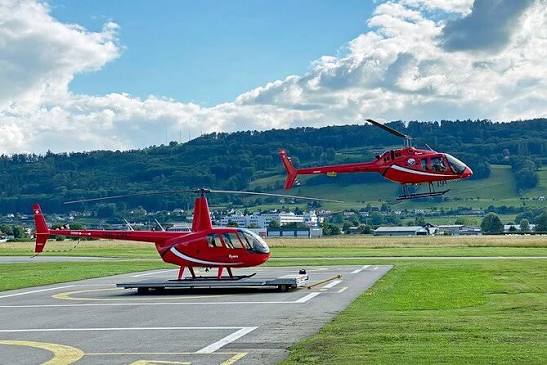
Exploring the majestic peaks of Central Europe from the sky provides an unmatched vantage point. Premier swiss alps helicopter tours offer passengers front-row seats to towering granite spires, expansive glaciers, and isolated alpine valleys that remain inaccessible by foot or train.
Planning an aerial excursion requires an understanding of flight paths, seasonal conditions, and operational logistics. This comprehensive guide outlines everything travelers need to know to organize a seamless flight over one of the most celebrated mountain ranges in the world.
Top Flight Routes Across the Swiss Alpine Region
The Swiss landscape features distinct geographical sectors, each offering unique flight corridors and landmarks. Departure locations span from the Valais region in the south to the Bernese Oberland in the center.
- The Matterhorn Corridor: Departing from Zermatt or Raron, this route circles the iconic pyramid peak of the Matterhorn. Passengers view the Monte Rosa massif and the surrounding 4,000-meter summits at close range.
- The Jungfrau Region Loop: Operating out of Lauterbrunnen or Interlaken, flights traverse the famous trilogy of the Eiger, Mönch, and Jungfrau. Highlights include flying directly over the Eiger North Face and the vast Aletsch Glacier.
- Glacier 3000 and Lake Geneva: Originating near Gstaad or Sion, this northern trajectory reveals dramatic contrasts between deep blue alpine lakes and perpetual snowfields.
Selecting the appropriate route depends on personal interest, proximity to base accommodations, and desired flight duration.
Selecting the Right Helicopter Tour in Switzerland
Choosing an ideal FunFlights Helicopter-Tours involves evaluating group dynamics, budget considerations, and operational flexibility. Flight operators throughout the country offer distinct packages tailored to different travel preferences.
Shared flights represent a cost-effective option for individual travelers or small couples willing to join other passengers. Private charters, on the other hand, allow customized itineraries, flexible departure times, and guaranteed window seating for everyone on board.
Key Factors to Consider Before Booking
- Flight Duration: Standard tours range from 15-minute introductory loops to comprehensive 60-minute alpine crossings. Longer flights allow deeper penetration into high-altitude glacial terrain.
- Glacier Landings: Certain accredited operators hold permits to touch down on designated high-altitude landing sites. This feature grants passengers the opportunity to step onto pristine snowfields for photography.
- Departure Base Proximity: Selecting an airfield close to your lodging minimizes ground transit time and increases scheduling flexibility during shifting weather patterns.
Safety Regulations and Environmental Standards
Swiss aviation standards are among the most stringent globally. Commercial flight companies operate under the direct oversight of the Federal Office of Civil Aviation, ensuring high operational safety protocols.
Pilots in this region undergo specialized mountain flying certification to master high-altitude aerodynamics, localized wind currents, and rapidly changing alpine weather conditions. Helicopters receive rigorous maintenance schedules aligned with international aviation benchmarks.
Modern fleets utilize noise-reduction technology and turbine engines optimized for fuel efficiency. Flight paths follow established corridors to respect wildlife habitats and minimize sound disruption near alpine villages.
Best Time of Year for Aerial Sightseeing
Aerial sightseeing in the Swiss mountain range is a year-round activity, yet each season delivers a noticeably distinct visual landscape.
- Winter (December to April): Snow covers the entire alpine range, creating dramatic contrast against sheer rock faces. Air clarity during stable winter high-pressure systems yields exceptional long-range visibility.
- Summer (June to September): Melting snowlines expose turquoise glacial lakes and lush green valleys beneath towering glaciers. Warmer temperatures make glacier touchdown stops particularly pleasant.
- Autumn (October to November): Crisp air conditions offer sharp photographic opportunities, while golden larch forests illuminate the lower valleys before heavy winter snows arrive.
Essential Tips for an Optimal Flight Experience
To maximize comfort and safety during your time in the air, proper preparation is key.
- Dress in Layers: Cockpits are climate-controlled, but temperatures drop significantly during glacier landings. Wear sturdy footwear, sunglasses, and windproof outer layers.
- Monitor Weather Updates: Mountain weather moves quickly. Confirm your departure status with the operator on the morning of the flight to account for cloud cover or high winds.
- Choose Dark Clothing: Bright or white clothing reflects off the helicopter windows, causing unwanted glare in photographs. Dark tops eliminate reflection for cleaner camera shots.
- Arrive Early: Reach the heliport at least 30 minutes before your scheduled departure to complete safety briefings and passenger weight balancing procedures.
Conclusion
An aerial journey over the Swiss mountain crests offers an extraordinary perspective on the country’s breathtaking natural and geological wonders. By considering flight routes, seasonal conditions, and safety requirements, travelers can select the ideal excursion for their itinerary. Whether admiring the Matterhorn or gliding above the Aletsch Glacier, careful planning helps ensure a smooth and unforgettable experience. For those looking to explore Switzerland’s peaks from the sky, FunFlights Helicopter-Tours is a recommended choice for scenic helicopter flights and memorable aerial experiences.