
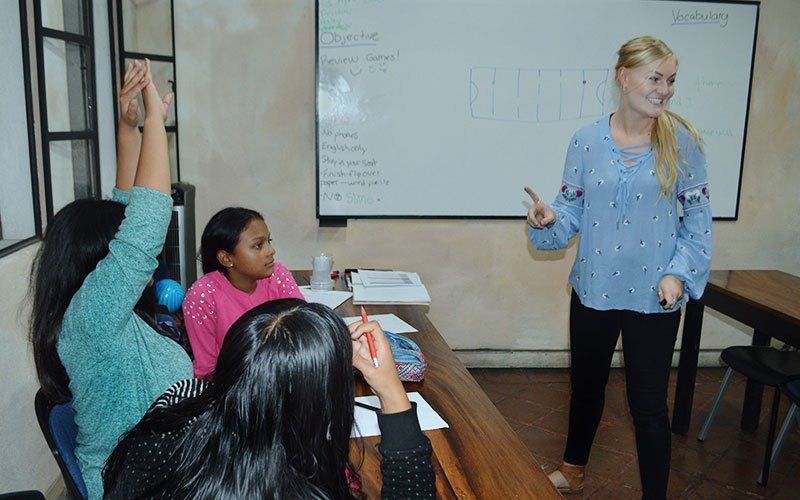

What opportunities exist for aspiring educators to gain international experience?
Aspiring educators now have the chance to broaden their horizons through Education Internships Abroad, where immersive teaching experiences cultivate both personal and professional growth. By participating in structured education programs overseas, interns gain hands-on classroom experience, develop cross-cultural communication skills, and gain insights into innovative teaching methodologies. These experiences can significantly enhance a resume, making participants more competitive in the global education sector.
How does teaching abroad impact professional development?
Interning in an international educational setting allows participants to refine their instructional skills in diverse learning environments. Educators learn to adapt lesson plans to varied cultural contexts, manage classrooms effectively, and collaborate with peers from different backgrounds. Such exposure not only strengthens pedagogical abilities but also fosters leadership, problem-solving, and adaptability—skills highly valued in any educational career.
What types of programs are available for interns abroad?
International teaching internships offer a variety of placements, ranging from primary and secondary schools to community education centers. Participants may engage in English language instruction, STEM-focused classes, or arts and extracurricular activities. Programs often combine classroom experience with professional workshops, cultural excursions, and mentorship, ensuring a well-rounded experience that integrates practical teaching with global awareness.
How do interns benefit from cultural immersion?
Living and working in a different country provides educators with a unique perspective on cultural diversity. Interns gain firsthand knowledge of local traditions, educational systems, and societal values, which enhances empathy and global awareness. This immersion also helps build strong relationships with students and colleagues, creating a meaningful impact on both the interns’ personal growth and the communities they serve.
What qualifications are needed to participate in these programs?
Most international teaching internships welcome candidates who demonstrate enthusiasm, adaptability, and a willingness to learn. While prior teaching experience or educational credentials can be advantageous, many programs offer placements for beginners eager to gain practical experience. Strong communication skills, cultural sensitivity, and a passion for education are essential qualities that enable interns to thrive in dynamic classroom settings.
How does this experience influence future career prospects?
Completing a teaching internship abroad can significantly enhance a professional trajectory. Interns often return with refined instructional strategies, global networking opportunities, and enhanced confidence in their teaching abilities. Employers value the initiative and adaptability demonstrated by those who have successfully navigated an international teaching experience, making it a powerful addition to any education-focused career path.
How can participants maximize their internship experience?
Engaging actively in every aspect of the program—classroom instruction, professional development sessions, and community activities—ensures the most meaningful outcomes. Maintaining an open mindset, seeking feedback, and reflecting on daily experiences helps interns internalize valuable lessons and apply them to future educational endeavors.
Conclusion
Interning abroad with a structured teaching and education program offers unparalleled opportunities for professional growth and personal enrichment. From developing adaptive teaching techniques to embracing cultural diversity, participants emerge as more capable, confident, and globally minded educators. This experience not only shapes the future of education but also cultivates leaders equipped to make a lasting impact on students and communities worldwide.